
Build an AI side hustle from what you know
What do people always ask you for help with? That question could be the start of a product. I’ll coach you as you build it with AI, or my team and I can build it for you.
What do people keep
asking you for help with?
Maybe you’re the dance teacher who knows what gets forgotten on competition day. Or the plumber who can tell which details are missing from a vague enquiry.
You know what a beginner is likely to miss. A checklist, a short guide or a simple tool can put that knowledge to work for someone else.
Start by writing down one question you answered this week. Who asked it, and what would have made their day easier?
From the people I've worked with.
AI Consultancy, AI Implementation, and AI Training Portfolio















Build around the week
you actually have.
If you’ve got a job, clients or children, your side hustle has to fit around them. That changes what’s sensible to build first.
A downloadable guide might fit the time you have. A service that needs you on the phone at lunchtime might be harder to run. We look at that before choosing a product.
Bring your diary as well as your idea. We’ll pick a next step you can realistically finish.

One familiar problem.
A product someone could use.
Here are two examples of how everyday experience could become a side hustle.
A checklist for dance parents
An enquiry assistant for plumbers
Would somebody
actually use it?
Try your smallest useful version with someone who has the problem.
For the dance checklist, that could mean handing one parent a single printed page before their next competition.
Watch what they do. Do they tick it off, add something in the margin, or put it straight back in the bag?
Ask which part helped and what was missing. If they would pay for it, ask what they’d expect to get for that price.
That conversation gives you something specific to change before you spend another evening on it.
What does a buyer
need to know?
Once you have a version worth sharing, write the offer so a stranger can tell whether it’s for them.
| The buyer asks | Your page shows |
|---|---|
| Is this for me? | Who it helps and when they would use it |
| What do I get? | A preview of the download, tool or service |
| How much is it? | The price and what it covers |
| How do I use it? | What happens after they buy |
Show the thing itself. A sample page from a guide or a short demo of an assistant can say more than a paragraph of promises.
In coaching we can look at where someone hesitates and improve that part of the offer.
Where AI helps.
Where your judgement matters.
Here’s how I teach people to build with AI. Think of 10-80-10 as a rough split of the work.
You set the brief
Say who the product is for, what they need to do and what a good result looks like. Give AI an example from your own experience.
AI makes a first pass
Use AI to turn your notes into a draft, organise the steps or sketch a working prototype. Now you have something to try.
You check it in practice
Read it as a customer. Try it on a real example. Check the facts and fix anything you’d hesitate to put your name on.
For a packing checklist, AI can organise the items by costume change. It takes a dance teacher to spot that the second pair of shoes is missing.
That last check is part of the product people are paying for.
Where are you starting from?
People come to me at different points. We start with the work you’ve already done.
I haven’t picked an idea
Bring a few examples of things people ask you to explain, fix or organise. We’ll look for a question that keeps coming up.
I have too many ideas
Pick the one you can test with someone you already know. Their feedback gives you a reason to keep going or try another idea.
I’ve started making something
Bring the draft, spreadsheet or prototype. We can work out what a customer needs before they can use it.
I’m new to AI
We can start with a task you already understand. That makes it easier to judge whether the AI’s first attempt is any good.
I want to learn to build it
Builder is the coaching option. You do the hands-on work with my help, so you learn how to change the product yourself.
I want help with the technical work
With Operator, we agree what to build. My team and I handle the implementation and you review it with me.
Two ways to build
your product with me.
Both start with your idea and the people you want to help. Choose how hands-on you want to be.
Done With You
You build the product with me coaching you each week. Bring what you’ve made, work through the tricky bits with me and leave knowing what to try next. £997 per month.
Done For You
You and I agree what your customer needs. My team and I build the product for you, and we review it together in your weekly one-to-one. £1,997 per month.
See what’s included in each monthly option.
Meet your coach,
Damian Mark Smyth
I like working with people who say, “I could make that easier for someone.” That’s often where a good product begins.
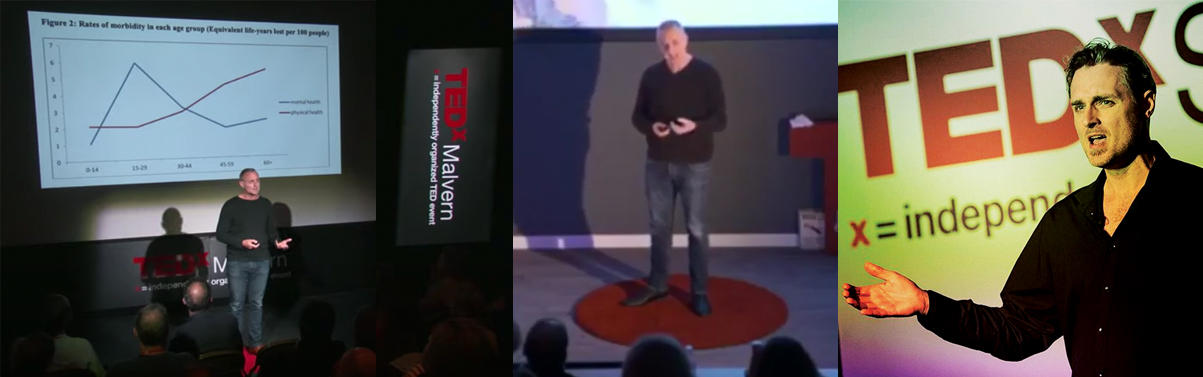
I’m Damian Mark Smyth, an author, TEDx speaker and entrepreneur based in Northampton. I co-founded InstallerOS to help trades businesses keep track of enquiries and follow up with customers. I run Escape 925 through Success Formula Club.
Building InstallerOS gave me a good example of where to start. A plumber missing an enquiry is a problem you can see, explain and test a solution against.
I also write. Best-selling books on stress and personal performance, drawn from my own experience of OCD and anxiety. The thread is the same one that runs through everything I do: calmer, more sustainable ways of working, for the person and for the business they build.
You can build your product alongside me through Builder, or work with me on the brief and have my team handle the build through Operator.
Damian Mark Smyth The Practical Morpheus
What could you build on the side?
If you’re still weighing up ideas, take the free assessment. If you already have one, compare the coaching and Done For You options.
The assessment takes about five minutes. Enter your first name and email to see your result.